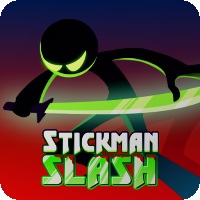
Stickman Hook
Stickman Hook Controls
Mobile: Tap anywhere.
How to Play Stickman Hook
Chain releases to swing from anchor to anchor and reach the end of the level.
Stickman Hook Tips & Strategies
Chain without pausing. The moment you release, fire at the next anchor. Gaps between swings kill speed.
Look ahead to the next anchor, not at your character. Plan the swing before you commit to the release.
Stickman Hook Features
- One-tap controls
- Short levels with instant retries
- Clean stickman visuals readable at speed
- A single mechanic executed with confidence
About Stickman Hook
The timing window is the whole game. Release too early in the arc and you drop short of the next anchor. Release too late and you swing backward, killing your run. The sweet spot is near the top of the swing, where forward speed and height are both at their peak. The game trains you to feel that moment rather than calculate it — after a dozen attempts, your thumb knows when to let go before your brain does.
Levels are short and built around chains of anchors. A clean run through a level takes only a few swings, which keeps the retry loop frictionless. Die, restart instantly, try again. The stickman art is clean and the trajectory is always readable, so deaths come from execution, not from misreading the screen.
It is a one-mechanic game done with confidence. No upgrades, no meta progression, no story. Just swinging, and the question of whether you can chain one more release.
Frequently Asked Questions
How does Stickman Hook work?
Tap to fire your grapple at the nearest anchor and swing. Tap again to release — the timing determines your trajectory. Release near the top of the arc to preserve height and forward speed. Chain releases to swing from anchor to anchor and reach the end of the level.
How do I control my character in Stickman Hook?
Desktop: Click or press Space to fire and release the hook. Mobile: Tap anywhere.
Can I play Stickman Hook on my phone?
Yes — Stickman Hook works on touchscreens. That said, this kind of arcade game can demand quick inputs, so while mobile works, a keyboard often gives you an edge.
Are there any costs to play Stickman Hook?
Nothing. Stickman Hook is a free arcade game that loads in your browser — just open the page and play, no purchase or subscription involved.
What's the best way to score points in Stickman Hook?
Release near the top of the arc. That is where you keep the most height and speed. Early or late releases bleed momentum. Chain without pausing. The moment you release, fire at the next anchor. Gaps between swings kill speed. Look ahead to the next anchor, not at your character.
How difficult is Stickman Hook for beginners?
Stickman Hook has a gentle learning curve. You'll understand what to do almost immediately, but mastering it takes practice as the game introduces tougher situations.